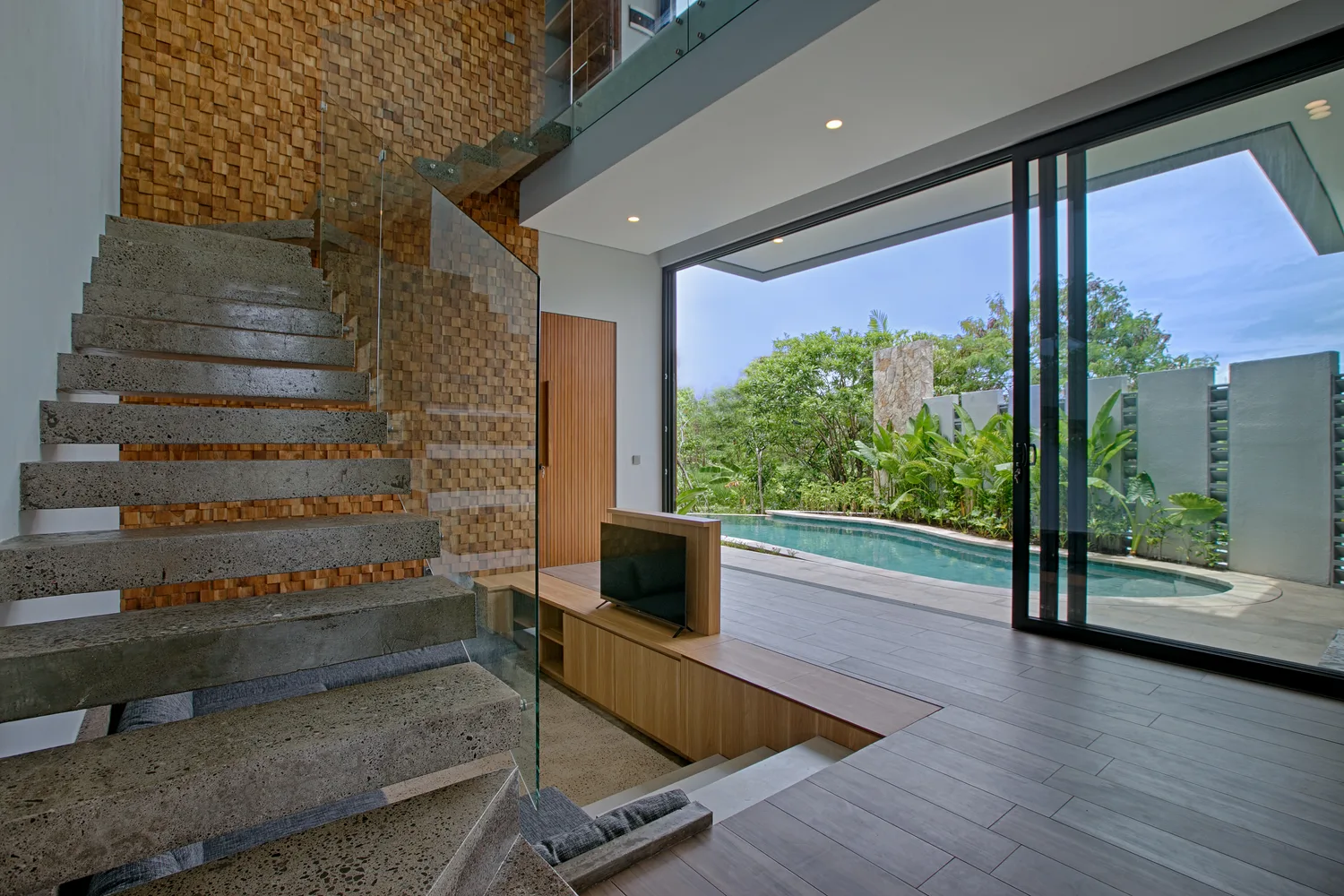
There are thousands of villas in Bali owned by people who don’t live there. Australians, Europeans, Singaporeans, Americans — people who fell in love with Bali, invested in a property, and then had to figure out how to run it from 8,000 kilometres away.
If you’re one of them, you know the particular anxiety of it: beautiful asset, strong rental potential, but no way to oversee it day-to-day. Every review mention of “slightly dusty ceiling fan” or “pool maintenance was slow” is a direct hit to your nightly rate and your occupancy — and you read it from a flat in London or a house in Melbourne.
This guide covers the practical systems that experienced overseas villa owners use to keep their Bali properties running smoothly, competitive on booking platforms, and generating reliable income — without being there.
The First Reality: You Need a Reliable Local Partner
There is no remote management system sophisticated enough to replace a trustworthy local point of contact. Before anything else, you need someone on the ground whose job it is to care about your villa.
Most overseas owners work with either a villa management company or an independent villa manager:
Villa Management Companies (15–25% revenue cut)
- Handle everything: booking management, guest communications, housekeeping, maintenance, OTA listings
- Best for owners who want completely passive income
- Quality varies enormously — do due diligence before signing a contract
- Ask for references from other foreign owners specifically
Independent Villa Manager (monthly retainer, Rp 3–8M/month typical)
- More personal attention to your specific property
- You retain more control over pricing and guest selection
- You’ll need to arrange separate housekeeping and maintenance contractors
- Better for owners who want to stay involved but need local execution
Whichever you choose, the relationship is the foundation of everything else. Video call with them regularly. Visit at least once a year. Treat them as partners, not just staff.
Photography and Visual Assets: The Remote Owner’s Biggest Blind Spot
Here’s what most overseas owners don’t realise until too late: your listing photos are completely out of your hands once you’re abroad — unless you’ve built a deliberate system for managing them.
The photos you had taken three years ago when the villa first opened may no longer reflect reality. Soft furnishings fade. Garden design evolves. That old resort-style furniture has been replaced with something more contemporary. Meanwhile, competitors around you have upgraded their photography.
The result? Your photos underperform relative to the current state of your villa — which means lower click-through rates, fewer bookings, and guests who are surprised (pleasantly or unpleasantly) when they arrive.
For overseas owners, we recommend scheduling a professional photography update every 18–24 months — not because photos necessarily degrade, but because the market around you keeps moving.
How the Photography Logistics Work for Remote Owners
This is the question we get most often from overseas clients: “How do I arrange a villa photo shoot when I’m not there?”
The answer is straightforward — we coordinate directly with your villa manager. Here’s the typical process:
- You brief us by email or WhatsApp: Tell us the goals for the shoot, any recent changes to the property, and the look you’re going for.
- We contact your villa manager: Arrange access, confirm dates, and send them a pre-shoot preparation checklist.
- Your villa manager prepares the property: Following the checklist, they ensure every room is presentation-ready.
- We conduct the shoot: Typically a half-day or full-day session depending on the property.
- We deliver to your Google Drive: You receive the finished gallery within 5–7 business days, accessible from anywhere in the world.
Many of our regular clients have never met us in person. The entire process — from initial contact to final delivery — happens remotely, and it works seamlessly.
Keeping Your OTA Listings Competitive from Abroad
Once your visual assets are sorted, here’s what experienced remote owners monitor:
Check Your Listing Analytics Monthly
Both Airbnb and Booking.com provide host analytics dashboards. From anywhere in the world, you can see:
- Views and click-through rate on your listing
- Conversion rate (views to bookings)
- How your pricing compares to competitors
- Which photos are performing best
If your click-through rate drops, your cover photo may need updating. If conversion rate drops despite strong views, the problem is usually in the photos, description, or pricing.
Delegate Guest Communication Wisely
Response time is one of the most important ranking factors on Airbnb. If you’re operating in a very different time zone (Australia vs. UK, for example), you may need your villa manager or a co-host to handle initial enquiries to maintain response rate.
Airbnb allows you to add co-hosts to your listing with defined permission levels — this is the standard solution for overseas owners who need local response coverage.
Seasonal Pricing Needs Human Attention
Smart Pricing tools on Airbnb are a starting point, not a strategy. Bali’s peak seasons (July–August, Christmas–New Year, Easter) require manually reviewed pricing that reflects:
- Current demand signals (are competitor villas already filling up?)
- Local events (Nyepi, major festivals, MICE conferences)
- Your specific market position
Schedule a 30-minute review of your pricing calendar every quarter. Your villa manager should flag you well in advance of peak periods so you can adjust rates proactively.
Building a Maintenance System That Works Without You
Deferred maintenance is the silent killer of Bali villa investment returns. A pool pump that fails mid-guest-stay generates a 1-star review and a refund request. A leaking roof discovered in December ruins the Christmas high-season.
Experienced overseas owners typically implement:
Monthly maintenance check: A simple checklist your villa manager walks through — pool equipment, AC units, hot water systems, electrical safety, garden condition, general cleanliness to presentation standard.
Photo documentation: Ask your manager to send photos of the property monthly — not just when something is wrong. This gives you a visual baseline to compare against, and it builds the habit of documentation.
Emergency fund: Keep a dedicated maintenance float of Rp 15–25M in a local account that your manager can access for urgent repairs under a defined threshold (e.g., Rp 3M) without needing approval. Require receipts and a monthly accounting summary.
Tax and Legal Considerations
This deserves a dedicated article — but briefly: if you own a villa in Bali and earn rental income, there are Indonesian tax obligations regardless of where you personally reside. These are often handled through a local PT (Perseroan Terbatas) or a property management agreement structure.
We recommend speaking with a specialist in Indonesian property law and tax. The specific structure matters significantly for both your legal exposure and your net rental yield.
The Mindset Shift: From Owner to Operator
The overseas villa owners who do best in Bali share a particular mindset: they treat their property as a hospitality business, not a passive investment. They review their listing analytics. They read every guest review. They upgrade their photography before it becomes a problem. They invest in their manager relationship.
The ones who struggle treat it as a set-and-forget investment — and discover that in Bali’s competitive market, standing still means falling behind.
If you’re an overseas owner due for a photography update, or setting up a new villa listing for the first time, our remote photography service is designed specifically for your situation. Get in touch — we’ll take care of the entire shoot and deliver a professional gallery straight to your inbox.